
The Ultimate Presidential Exteriors Guide to Roofing
How to Keep Your Home (and Sanity) Intact
Hey there! Welcome to the Presidential Exteriors Complete Guide to Roofing, specifically designed to walk you through the whole roofing life cycle, from spotting trouble or being mad at us for pointing it out, to celebrating a job well done. Yes, that part is guaranteed.
We know your roof isn’t the most glamorous part of your home, but it’s one of the hardest working parts of your home, so buckle up buttercup, and let’s talk roofs.
Table of Contents
Everything is fine, until it’s not.
Most homeowners don’t think about their roof—until there’s a problem. Maybe yours came with the house, or maybe it was replaced 20 years ago and hasn’t crossed your mind since. It looks okay from the street, there’s no obvious leak, so what’s the rush?
Some signs that usually point to bigger problems beneath the surface are:
- missing or curling shingles
- granule loss
- moss growth
- interior leaks
Roofs fail gradually, then suddenly—and by the time water shows up indoors, you may be looking at structural damage. Think of it like changing your tires: easier to do it at 50,000 miles than to get stranded on the highway with a flat. Our job is to help you spot issues before they escalate.
Let’s talk about how our scheduling process works (and why we’re a little paranoid about details).
Scheduling Process: What to Expect (and Why It Matters)
We Confirm Everything—Yes, Everything
You’ve reached out. Now what?
- We confirm your details—multiple times. Not because we don’t trust you, but because, frankly, we’ve seen it all and we’ve learned from experience that confirmation saves everyone time and headaches.
- We call twice to confirm the appointment. We reach out the day before and again a few hours before your appointment, not to be annoying, but because our reps hate showing up to empty homes.
- We make sure we meet with all decision-makers. The best way to avoid miscommunication and expensive mistakes is to make sure all the decision makers are there from initial estimate to final walkthrough. This ensures fewer surprises and smoother projects.
Once you’re on the calendar and everyone’s committed to showing up, it’s time to figure out what your roof needs – and trust us, it’s way more involved than you think.
Understanding Your Roofing Estimate
Before we ever talk numbers, we walk your property with intention. We ask questions, listen to your story, and consider every variable: your goals, your budget, your timeline, your HOA drama. We’re not here to scare you—we’re here to help you make smart, informed decisions.
Every Presidential estimate includes:
- Detailed photo documentation – of the good, the bad, and the “what is that?”
- Attic inspection (when accessible) – checking for moisture, ventilation issues, and unseen damage
- Full review of siding, chimney, walls, penetrations, and transitions
- Accessory and flashing assessment – because details matter
- 3D modeling of your home – accurate to the inch, so we measure twice and cut once
Once we’ve reviewed everything, we sit down with you to go over it—photos, findings, and options. If the roof still has life left, we’ll say so. If a patch is smart, we’ll tell you. If it’s time to replace, we’ll design a full system that fits your needs and budget.
Finally, we build a detailed digital contract based on your specific needs, so there are no surprises. Just real info, expertise and a better way to plan your project.
One of the things that’s included in the detailed contract is the material selections, color and trim selections. It’s one of the fun parts of the project – picking out materials that won’t make your neighbors hate you (and might even make them a little jealous)
Exploring Your Roofing Options
Let’s talk materials. Your roof isn’t just functional—it’s a massive part of your home’s curb appeal. You don’t want someone who will just slap on shingles and call it a day. Thoughtful planning on materials, color, design and details will save you headaches later on.
Asphalt Shingles
- 25-50 years
- Strong, but can wear in extreme weather
- Wide variety of colors & styles
- Low, but may need replacement sooner
- Widely accepted
Metal Roofing
- 40-70 years
- Extremely durable, great for snow & ice
- Sleek, modern, farmhouse look
- Low, repaint/coat as needed
- Sometimes restricted
Composite &
Specialty Roofing
- 50+ years
- Highly durable, designed for longevity
- Mimics slate, wood, or tile for luxury curb appeal
- Low, depends on material complexity
- May require approval
More Details on Each Roofing Type
Asphalt Shingles
If you’re the type who values a balance of cost, performance, and options — asphalt is your move. Reliable, resilient, and not nearly as hard on your wallet.
Pros
- Cost-effective: They give you a solid roof without draining your kid’s college fund.
- Reliable: Modern architectural shingles are tough — built to withstand wind, rain, and years of abuse.
- Variety: Dozens of colors and styles, from “basic but dependable” to “designer with curb appeal.”
- Warranty coverage: Because we’re Master Elite certified, you get access to GAF’s best warranties.
Cons
- They’re not forever. Expect 25–50 years depending on the line you choose, but not the century-long bragging rights of slate or metal.
- In extreme weather areas (think hurricanes, not Rockville), asphalt isn’t always the king.
Metal Roofing: Farmhouses & Accents
Metal isn’t for everyone. But if you need a nice accent, or have an architect with a baller budget, let’s talk about it.
Pros
- Sleek, strong, and stylish.
- Extremely durable: as long as the paint lasts.
- Great for shedding snow and ice. (so great that you might need to add snow guards $$$)
Cons
- Price: About 2–3x the cost of asphalt.
- Sound: Modern systems address this, but yes, heavy rain will sound different.
- Not always HOA-friendly
Composite & Specialty Roofing Options
These roofs aren’t for every budget. But if you’re aiming for jaw-dropping curb appeal, or you just want something no one else on the block has, composites and specialty systems are worth considering.
Pros
- Stunning design options that mimic natural slate, wood, or high-end tiles.
- Lighter weight than natural stone or wood, making them easier on your home’s structure.
- Longer lifespans than standard asphalt.
Cons
- Premium price tag.
- Availability: not every line is stocked locally, and special orders mean longer lead times.
- Complexity: These systems are complex, and take specialty knowledge and detailed orders to get right.
In every roof we design, we consider shingle type and color, flashing and metal accents, ventilation layout, underlayment systems, and more. Yes, it’s detailed. But doing it right means fewer problems later—and a roof you’ll love every time you pull into the driveway.
But before anyone climbs on your roof with a hammer, we need to talk about why proper planning is the difference between a dream project and a total nightmare.
How Project Planning Protects Your Roofing Investment
After you’ve signed the contract but before anything is torn off your roof, Presidential Exteriors schedules a Pre-Install Inspection (PII). This meeting is where roofing projects are truly made—or saved. While other contractors may wing it, we take this time to slow down and plan your project in detail.
During your PII, we review all selections, double-confirm measurements, help with HOA permits, and address last-minute concerns about everything from skylights to patio furniture protection. We also time specialty material orders so you’re not left waiting.
Most importantly? We limit surprises. Hidden rot, bad framing, and even hornet nests have derailed unplanned projects. We’d rather find out before tear-off, not while standing on your roof with a dumpster in the driveway.
Yes, we may ask you to confirm selections three times. But that’s better than installing the wrong color or dealing with awkward “he said, she said” conversations after something goes wrong.
When our customers say they had a great experience, it’s no accident. The difference is planning—and all this meticulous preparation leads to one thing: the day when trucks show up in your driveway and the real work begins. Here’s exactly what’s about to happen to your house.
Installation Day
Arrival and Setup
The day before your roof installation, we deliver and stage materials either directly onto your roof using a boom truck or as close to the home as possible, saving time and energy for the crew who will be completing the installation.
On install day, our team arrives early—real early, often before 7 AM in summer—to beat the heat and get started on time. We’ll check in with you first, confirm vehicles and pets are safe, and help protect fragile items around your home. Then we prep the site with tarps, plywood, and proper dumpster placement to control debris. This setup phase may seem small, but it sets the tone for a smooth, efficient install.
Installation
Every crew does this differently. Ours does it in a specific order, and it’s that consistency that allows us to finish most residential roofs in one day.
Tear-Off: We remove the roof in sections to protect your home if weather shifts. Debris goes straight into the dumpster—if not, we’re more annoyed than you are.
Deck Inspection: Once the shingles are off, we inspect the wood deck. Any rot gets replaced on the spot.
Underlayments and Flashings: Waterproof barriers and flashing are installed in key leak-prone areas. Not glamorous, but critical.
Shingle Installation: Shingles are laid with precise patterns, straight lines, and clean nailing for lasting performance.
Vents and Ridge Caps: Every pipe and vent gets sealed and covered. Ridge vents are added for proper attic airflow.
Final Details: We double-check everything. Your foreman walks the roof to ensure it’s done right.
Cleanup
By the time we’re finished, your property should look better than when we arrived. We’ve all heard the nightmare of nails in the grass for weeks. That’s not how we operate. Even with thorough cleanup, we’ll do another magnet sweep during your final walk-through, just in case.
Our cleanup process includes:
- Magnet sweeps for stray nails
- Tarps removed and debris hauled off
- Gutters checked for scraps
- Landscaping restored
- Driveways and walkways swept clean
The Final Walk-Through
Once the work is done, your project manager will walk you through the finished roof. We inspect every component, from ridge caps to ventilation, confirm everything is installed correctly, and check your property for debris. If you’re not climbing up, no worries — we’ll show you detailed photos and explain what was done and why it matters. This is also your chance to point out anything that looks off.
The hammering’s done, the crew’s packed up, and your roof looks amazing. Here’s what happens next.
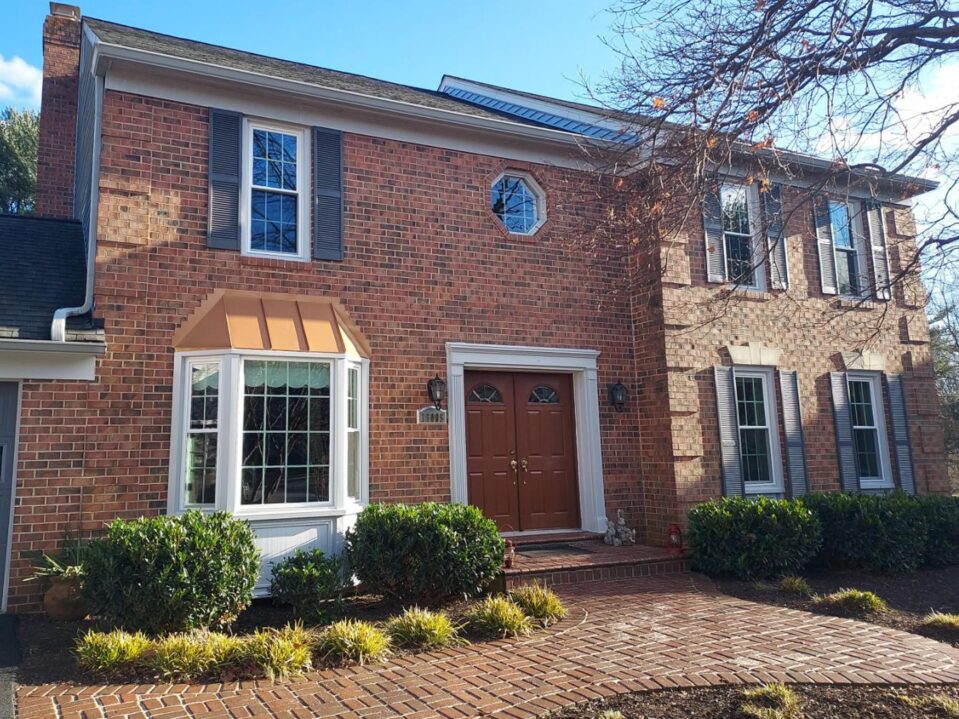


After Installation
Warranty & Follow-Up
Every Presidential roof comes with:
- Manufacturer warranties (GAF’s best, thanks to our Master Elite status).
- Our lifetime transferable workmanship warranty.
That means if something ever goes wrong — whether it’s a manufacturer defect or a workmanship issue — you call us, and we make it right.
Future Maintenance Tips
A quality roof should give you decades of protection with little fuss, but there are a few things you can do to extend its life and avoid headaches:
- Keep your gutters clean — backed-up gutters are one of the most common causes of water damage we see.
- Clear debris — branches, leaves, or heavy moss can shorten a roof’s life.
Inspect after major storms — not with a ladder, but with your eyes. If you see shingles missing, flashing lifted, or granules washing out, call us.
Frequently Asked Questions About Roofing
Most homeowners want a simple number, but the truth is—it depends on the house. In this area, a new roof typically costs between $10,000 and $25,000. If you’ve got a small, straightforward roof, it’ll be closer to the low end. A large, steep roof with lots of valleys, chimneys, dormers, or cut-up sections? That’ll push it higher.
We emphasize that every roof is different—size, slope, materials, and what’s underneath all matter. That’s why we don’t do vague ballparks. We inspect, measure, and hand you a detailed written estimate. You’ll see, line by line, what’s included—decking, flashing, shingles, underlayments. No surprises later.
If your roof is relatively new and the issue is small—like a section of shingles that blew off—a repair usually makes sense. But if your roof is 15+ years old, or you’re dealing with multiple leaks or widespread wear, you’re likely just throwing money away on repairs.
That’s not us trying to upsell you—it’s just reality. Patching an old roof won’t stop it from continuing to deteriorate. A repair might buy you time, but it won’t solve the bigger issue.
When we inspect, we look at more than just shingle damage. We check the decking, flashing, attic ventilation, and overall system health. Then we sit down and explain the options: here’s what a repair will do, and here’s what a replacement offers. You’ll know exactly where your money is best spent.
Start with damage control inside the home—put down a bucket or towel to catch water, move furniture, and if you see a ceiling bulging, don’t wait for it to collapse. Poke a small hole with a screwdriver and let it drain into a container.
Next, check if it’s actually the roof. If you can safely access your attic, look there. Many “roof leaks” turn out to be plumbing or HVAC issues. If the leak isn’t on your top floor or near an exterior wall, there’s a good chance it’s not the roof. For example, if it’s in your first-floor bedroom and there’s a bathroom above—it’s almost certainly not your roof.
Do not climb up on the roof, especially in the rain. It’s unsafe, and it won’t solve the issue. Just give us a call. Leaks are time-sensitive.
Usually same day or next day. During holidays or after major storms, it might take longer—but generally, we’re fast. Roof issues can’t wait, so we prioritize getting inspectors out quickly.
Not the whole time. Roof replacement is loud, messy, and frankly, not that fun to sit through. Most people leave for the day. But it’s important to be home for a few key moments:
- Morning kickoff — Meet your project manager or crew leader. We’ll help you move items and answer any last-minute questions.
- Midday check-in — We’ll review decking conditions. If there’s damage under the shingles, we’ll show you photos and discuss options.
- Final walkthrough — See the finished work, ensure cleanup is thorough, and sign off on the job.
If there are multiple decision-makers, it’s best if everyone is present at these checkpoints to avoid miscommunications. Other than that, your job is to relax (or escape the noise). Some customers even sit outside with lemonade—if that’s your vibe, just bring enough to share!
Yes—with caveats. Shingles need warmth to seal, so we look for days in the 40s or higher. If it’s too cold, we work around the weather to ensure proper installation.
A little drizzle is fine—we work in stages to keep things watertight. But heavy rain or storms are a no-go. We’ll tarp the roof and wait it out. Better to reschedule than risk water damage.
Yes—fully licensed and insured. We also hold Master Elite certification through GAF, a distinction achieved by fewer than 2% of contractors nationwide. Our install teams go through ongoing annual training to meet Presidential Club and Master Elite standards.
We stand behind our work with a lifetime transferable warranty. Whether it’s a manufacturer defect, a flashing issue, or something that just needs adjustment—call us and we’ll fix it.
And since it’s transferable, if you sell your home, the next owner is still covered. That adds real value.
Yes. A new roof is a big investment, and we work with multiple lenders to offer flexible options—zero-percent promotional financing, long-term fixed-rate plans, and more. We’ll help you find what fits your budget.
The biggest thing? Keep your roof and gutters clear. Clogged gutters lead to overflow and can force water under shingles—leading to leaks.
Beyond that, a properly installed roof doesn’t need constant attention. It should protect your home for decades. Still, if you want to be proactive, schedule an inspection every few years or after a major storm. That way, small issues (like a cracked pipe boot or lifted shingle) don’t turn into big problems.
Once your roof is done right, it shouldn’t be something you have to think about often.
Wrapping It Up Your Ultimate Roofing Guide
There you have it, the complete Presidential Exteriors roofing manifesto. From spotting the first signs of trouble, to scheduling, estimating, planning, installation, and post-installation care, we’ve walked you through every step of the process.
We’re confident, professional, and yes, a bit sassy, but above all, we know roofs. We know that when you trust us with your home, you’re trusting us with something bigger: your comfort, your safety, and your peace of mind.
Got more questions? Ready to start your roofing journey? Contact us at Presidential Exteriors. We’d be glad to talk roofs, answer your questions, and help you take the next step.